Showing posts with label clothes. Show all posts

Tuesday, September 1, 2015

The Problem with Denim and Leather

Several years ago, I got into a discussion about women's clothes with my girlfriend at the time and her friend. The friend mentioned that she had "kind of started to hate polo shirts on girls." I was a bit surprised, so I asked what was motivating her hatred. She replied that they were "just too masculine."

I found that interesting. I'd never even noticed polo shirts as being particularly attractive or unattractive, let alone masculine or feminine; but I could see where she was coming from. After all, some clothes (dresses for example) are more feminine, so it made sense that other types could be more masculine. From that point on, I started paying more attention to how sex-appropriate various types of clothes seemed.

Years later I started reading a website called Masculine Style, which does a great job of teaching men how to dress well. The author explains that the history and evolution of certain clothes is what makes them have the visual effect that they do, making them work (or not) for different men in different situations.

He explains, for example, that heavier knit sweaters are far more rugged and masculine-looking than a thin cashmere cardigan because they were designed for and traditionally used by dock workers and fishermen. Similarly, boat shoes were designed with soles that were soft enough to prevent scratching the decks of yachts, and therefore still hint at wealth and luxury in spite of their casualness. Sturdier materials like denim and leather have histories rooted in farming and manual labor, and so they carry connotations of their industrial origins – which brings me to my point…

For a couple years now, I've realized that I don't like when girls wear denim or leather. If the girl is good-looking, I will still be somewhat sexually attracted to her, but both the magnitude and type of attraction is significantly different than it would be if the same girl were dressed in lighter, softer materials. And following the train of thought that was inspired by my ex-girlfriend's friend and what I read on Masculine Style, I've started to wonder if my distaste is due to denim and leather being inherently unfeminine materials.

I mean think about it: denim and leather are rough, sturdy materials made to withstand the abuse of hard labor. They were made to protect rugged men doing rugged work. In the same way that we project onto guys who wear heavy-knit sweaters the masculinity of dock workers, it makes sense that we project onto women the connotations of wearing laborer's clothes – whether we do so consciously or unconsciously. And doing so casts a shadow over a woman's femininity. Asking a woman to look attractive in a biker jacket is kind of like asking a man to look attractive in lace.

Now, I realize that anytime you say (or even suggest) that something might be "objectively" masculine or feminine, people get defensive. If there is a scale along which masculinity or femininity can be quantified, people invariably start worrying about where along it they'll be placed. They are afraid of being judged.* But I am going to assume that my readers have learned to be comfortable with themselves, and throw the idea out there anyway – not so much because I am completely convinced by it as to field your opinions. So here is the concept:
Denim and leather (and perhaps other materials besides) are objectively masculine, at least to the same extent that materials like satin or lace are feminine. The current popularity of leather and denim in female fashion is a trend, piggybacked on the popularity of feminism, and it does not reflect the objective attractiveness of the materials themselves. While women can often look attractive in denim or leather, they do so in spite of the materials, not because of them.

Nope. Really.

I've been testing the idea recently by mentally separating the factors of my attraction each time I see a hot girl wearing one of these materials. Certainly when I think about a woman wearing any piece of clothing in either denim or leather, I can always imagine her being sexier in something less rugged. I've never liked jean or leather skirts on girls; and although it is much harder to look objectively at jean pants (because they are so entrenched in current fashion), I find normal cotton way more attractive.

When I suggest to my male friends that leather and denim are unattractive on women – which I've done several times – I rarely get an enthusiastic chorus of agreement. I get, "Yeah I guess I can sort of see what you mean" or "No, man, I love a girl in a jean skirt." But I am pretty sure that these statements ultimately boil down to "I am not observant enough to figure out what turns me on about a woman's wardrobe" and "I love a girl in a skirt."

Again, this isn't a statement about what women should or shouldn't wear (they're your clothes, do whatever the you want), it is merely a statement intended to spark thought about whether your choice of clothes is an authentic expression of your personal taste or the voice of popular culture.

Oh and just for the record, I am OK with polo shirts on girls.

---------------------------------------------------------------
*In this sense, modern Western culture (at least when it comes to gender) is like a school system without testing. Everyone is just kind of learning at their own rate without an objective measurement of anyone's performance. You can imagine how outraged people in such a system would be the first time you were to suggest that there will periodically be these things called “exams” by which students' comprehension will be evaluated. There would be huge resistance. But testing in schools isn't the end of the world. Yeah, there is pressure to perform to a certain level, and the students that do poorly have to acknowledge the fact that they aren't as “smart” as the other students. But it introduces a degree of accountability that cannot otherwise be motivated, and the school system is better off for it.


Related Posts
1. "Because of" Versus "In Spite Of"
2. Don't Wear Sneakers
3. Femininity, Authenticity, and Compatibility
4. There Is Nothing Modest About Loose Jeans
5. Be Careful About Wearing Large-Shouldered Tops
6. Where Is Feminism Taking Us?

Sunday, October 12, 2014

The Fantasy of Nightlife

When women go out, they are done up: they have makeup on, their hair is done, they are wearing heels, wearing their best clothes, etc. In addition, nightlife venues are almost always dimly lit, so that any cosmetic imperfections are hidden. In other words, they look their "best."

Men also get dressed up when they go out; but more importantly, they drink. The alcohol makes them more social and confident, more willing to go for what they want. And the magnum of Grey Goose they bought makes them look more important than they are. The loud music and bustling environment makes it unnecessary for them to lead a real conversation, so any lack of social skills is masked. In other words, they also look their "best."

Granted, men often over-drink, in the same way that girls often over-dress. Taking extra shots is the male equivalent of wearing too short of a skirt, or too much makeup. But the point is that, in nightlife, men and women lean on the crutch of added confidence or beauty (respectively) in order to appear more attractive to the opposite sex. The interesting thing is that, in addition to leaning on their own crutch, both sexes actually lean on the opposite sex’s crutch as well…

When men go out, they indulge in the belief that they can get girls who look like supermodels. The truth, of course, is that these guys can only get girls who look like supermodels in the club, and only when they themselves have liquid courage to assist, or loud music to mask their insecurity, or when they have the best table in the club to hide the fact that they are a run-of-the-mill manager in a medium-sized company.

When women go out, they indulge in the belief that they are attractive enough to get confident and powerful men to approach from across a room; but the reality is that they can only attract the men who can act confident after a couple drinks, or guys who know how to look powerful in a nightclub.

While this dynamic is far more exaggerated in nightclubs than it is in bars, it still exists in degrees wherever women are dressed up and men are drinking. Women lean on their appearance and sex appeal to be more attractive than they are normally, men lean on alcohol and status symbols to be more attractive than they are normally; and both sexes bask in the glow of the “results” they get in those circumstances.

This isn't necessarily a problem as long as you recognize what is going on, and enjoy it for the fantasy that it is. But it can be a problem if you let yourself slip into the mentality of “I get a lot of attention from the opposite sex,” when the reality is that you only get a lot of attention from the opposite sex when you go out – in other words, when you participate in the fiction of nightlife. This is significantly different from being able to attract someone in normal life, and assumptions to the contrary might be fueling your complacency.


Related Posts
1. The Analogy Between Confidence and Beauty
2. Bars Are a Bad Place to Meet Women
3. Bars Are a Good Place to Meet Guys – Part 1
4. Nightlife Tip 1 – Create Space at the Bar

Monday, June 30, 2014

The Importance of Variety in Your Appearance

There is a girl in my office that is extremely attractive. She is good-looking, but she is much more than that. She has great posture, always fixes her hair well, smiles frequently, is confident, and she generally radiates an air of femininity that is painfully lacking in many girls’ demeanor.

One thing that always stands out about this girl is the way that she dresses – specifically, the variety of clothes she wears. Every day she wears something completely different. In fact, I don’t think I have ever seen her wearing the same thing twice. I am not making a statement about the quantity of outfits she owns or the size of her wardrobe; I know plenty of girls who wear different outfits every day but still look boring. This girl actually looks different every day. One day she will be wearing jeans and a blouse, the next day she will be wearing a long, close-fitting dress, the next day cotton dress-pants with a loose, flowing top, and the day after that a pencil skirt. I've seen this girl wear clothes and dress types that I didn't even know existed. I realize that might not be saying much coming from a guy, but the point is that she is very clearly an outlier relative to other girls when it comes to the variety of clothes she wears.

It would be hard to underestimate how much men love this – and I say that with confidence because I've talked about it with several other guys and they agree categorically. Her daily choice of clothes is the topic of our lunch conversation more often than is probably healthy. It’s worth pointing out that this attention isn't the wrong kind of attention. Plenty of girls could work their way into our conversation by wearing short dresses, small tops or tight skirts. In fact, plenty do, and we talk about them too. But we come back to this girl way more than the others because we are constantly surprised and impressed with the variety. It’s hugely refreshing to see her every day in a different outfit.

While I am sure that women can appreciate variety in male fashion also, I am convinced that this is something men appreciate much more than women. I've explained before how strongly men crave sexual variety, and I've explained the importance of visual stimulation. By varying her appearance, a woman appeals to both of those masculine desires. Of course she can’t actually be someone else; but by looking different every day, she can come close enough. I don’t have a huge amount of evidence to support that claim, but when I think about how tempted I would be to cheat on the girl I am describing versus other girls that are equally attractive, there isn't much of a competition.

Having thought about it a bit recently, I can break down this girl’s fashion success into three factors:
  1. She takes risks. This girl doesn't always look good. In fact, I've seen her look downright horrible at times. One day she came in wearing these shitty gypsy-looking baggy pants and an ugly shirt, and I almost cried. A couple times she's worn colors that washed her out completely. I’d say that roughly 5-10 % of the time, she looks bad. But I realize that no one can pull off the kind of variety I am advocating without fucking up occasionally; besides, the variety and successes are both well-worth the mistakes. In fact, I would even be fine with more mistakes if it meant I’d get a girl who was equally dynamic in her wardrobe.
  2. She doesn't pay attention to office fashion norms. In other words, she doesn't think “this is a professional environment; a sun dress is inappropriate.” She might not always be wearing clothes that are “appropriate,” in the sense that they play down or divert attention from her looks, but neither is she dressing overly sexy or provocatively. Trying to bring women into the workplace and expecting them to dress like men is about as ridiculous as asking men to stay home with the kids and forcing them to dress like women. Women need to be allowed to be women, and “appropriate” has unfortunately been defined largely by a society that doesn't fully understand that.
  3. She enjoys looking good. There is no way that a girl will be able to force herself to dress in such a varied manner if she doesn't enjoy doing it. And although you shouldn't try to force yourself to enjoy it, you can let yourself enjoy it to whatever degree you naturally do. I said a lot about this in the post Femininity, Authenticity and Compatibility, so I won’t repeat myself here; but I want to make one additional point in that regard: you don’t need to be a supermodel to enjoy looking great, and you don’t even need to be hot for men to appreciate how you dress. Let yourself enjoy looking your best in as many ways as possible.
Of course, these principles apply to make-up and hair also. The important principle is appearance variety, not just wardrobe variety - but you can draw the analogies.

For the record, I recognize that having a wide variety of clothes can be expensive. And I am not going to pretend that women with less income are without a disadvantage here. That's life. If it helps stomach that fact, you can remind yourself that wealth disparities affect men in their dating lives far more than they affect women. But anyway there are plenty of ways to work the concept of variety into your wardrobe without breaking your bank, and there are plenty of girls reading this post right now who spend all kinds of money on wardrobes bigger and more boring than this girl’s. Make the most with what you have.

Now, all this being said, there is some value in the adage “looking good every day is more important than looking different every day.” While I suspect this statement was popularized more more with men’s fashion in mind than women’s, I also want to make it clear that I am not advocating wearing ugly clothes or crazy make-up only for the sake of variety. You need to indulge in variety wisely, choosing colors and cuts that look good on you. But within the limits of what you know suspect makes you look good, don’t be intimidated by the pressures of “what is acceptable” or what feels safe at the expense of what is different. Different counts for a lot.


Related Posts:
1. The Most Important Time to Dress Well
2. Feminine Beauty is Highly Controllable
3. Men and Sexual Variety
4. The Importance of Taking Fashion Risks

Thursday, February 20, 2014

There Is Nothing Modest About Loose Jeans

Every now and then I meet or see a girl wearing loose jeans. By "loose" I don't mean that the crotch is sagging around her knees, I just mean that there are places on her hips, ass and upper legs where the fabric is not touching her skin. I suspect that girls do this for one of three reasons:

(a) They think their figure isn't attractive enough to wear tight jeans.
(b) The think that tight jeans are immodest.
(c) They don't care about their appearance and loose jeans are more comfortable.

I realize I won't convince group (c) of anything, so I am only going to address (a) and (b). Let's start with group (a)...

No matter how fat you are, or how badly your ass is shaped, loose jeans make it look worse. Tight jeans might not make your ass or legs look good, but loose jeans will make you look like a man.

As for the group concerned with modesty: you need a reality check. Tight jeans are not provocative; they are normal. Despite what your parents probably raised you to believe, modesty is not something objective. What looks "appropriate" or "slutty" or "conservative" changes significantly depending on two things: context and social norms.

If you were to walk down the street of your city in a bikini in the middle of winter it would shock people and look slutty. Any man who saw it would be turned on. But on the beach, bikinis are normal. Men are much less turned on by them because they are expected. They don't look slutty at all. This is what I mean by context.

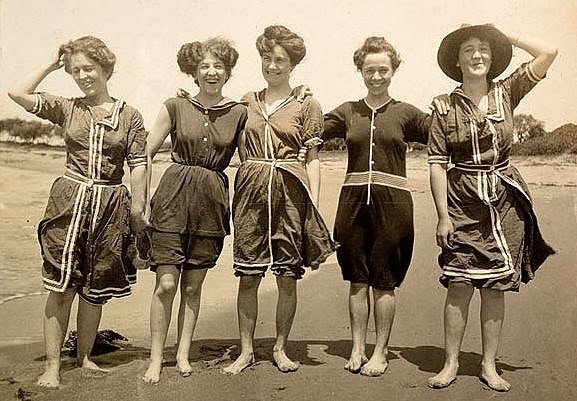
In Victorian times, swimsuits were less-revealing than most women's dresses are today. Today, swimsuits are more revealing than most women's underwear in Victorian times. Dress-like swimsuits didn't seen slutty or over-conservative in Victorian times, and neither do bikinis today. This is what I mean by social norms.

Here is the thing: modesty isn't a function of the quantity of skin you show, or the tightness of the clothes you wear; it is defined by how much your outfit makes men (or people in general) think that sex with you is imminent. The more you incite in men the thought that they can bang you easily, the less modest your outfit is. This is why short dresses are so much more sexual than pants. Men see you in a short dress and part of their subconscious recognizes that your vagina is essentially exposed (i.e. from the bottom). Sex seems much more accessible and immediate because there is only one thin layer of clothing covering the most sexually intimate part of your body.

But the threshold for triggering a man's thoughts of sexual proximity - the criterion for immodesty - is entirely relative to social norms and context. The man on the beach doesn't think sex is imminent when he sees you wearing a bikini, because every woman on the beach is wearing in a bikini, and he knows it is for swimming or sunbathing. But in 1910, if a man saw a woman on the beach in a bikini, he'd be sure that she was a woman of loose morals - and he'd probably be right.

Anyway, the point here is that wearing tight jeans in everyday American life is about as shocking as wearing a bikini on the beach in 2014. And wearing loose jeans in everyday American life is far more similar than you think to wearing a Victorian bathing costume to a Las Vegas pool party. Perhaps more importantly, when you use your clothes rather than your behavior to be modest, you are far more similar than you think to the girls who use their clothes rather than their behavior to get sexual attention. Don't be so sure that you are more intelligent just because you made the mistake about modesty rather than sexuality.

Is there an opposite extreme, where tight jeans start to look like a bikini on a Victorian-era beach (i.e. slutty)? Yeah, probably, but that's not the point - there are always excesses on both extremes. Today I happen to be calling out the conservatives.

So remember: wearing loose jeans doesn't avoid the wrong kind of attention; it just makes you look terrible.


Related Posts
1. "The Wrong Kind of Attention"
2. How to Get "The Right Kind of Attention"
3. Don't Wear Sneakers
4. The Most Important Time to Dress Well

Sunday, January 26, 2014

5 Winter Fashions Men Like

Most men are familiar with the "75 degree rule," which refers to the fact that, in Spring, women seem to come out from their Winter hibernation once the temperature rises above 75 degrees Fahrenheit (for those of you not burdened by an archaic system of scientific units, that is 24 degrees Celsius). Spring comes, and hot girls are suddenly out everywhere wearing shorts, dresses, small t-shirts and skirts. When I first heard of the rule, I remember speculating that perhaps girls weren't actually indoors any more than men during the winter; it was just that we noticed them less when it was cold because they were all bundled up in clothes that hid their beauty.

I still stand by my speculation, because the simple truth is that the feminine figure is more attractive when it isn't concealed  (yes, even if the woman is overweight), and the more delicate and feminine parts of a woman's body - like her neck, jawline and breasts - add nothing to her attractiveness when they are covered by a jacket or scarf. So female winter fashion is all about minimizing the effect of the extra material. To this end, the fit of your winter clothes is more important than anything else. The more your clothes follow the natural lines of your figure, the better. This doesn't mean that you always need to wear tight clothes, but it does mean that the bulky jacket your mom bought for you last year probably makes you look like a man. Three tight layers are far better than one heavy layer.

Anyway, here are five female winter fashions/considerations that will make men find you more attractive in winter. There are obviously plenty of other ways to look attractive in cold weather, but these are good starting points:

1. A Jacket That Fits You. For the purposes of looking good in cold weather, nothing is more important than the fit of your jacket. Men should be able to see your curves when you are wearing your jacket. This means that it should follow the curves of your waist and hips. It also means having sleeves that don't add bulk to your arms. And then there are the general aesthetics related to having as few wrinkles as possible from excess material. Most popular clothes stores design and cut their clothes for "average" people, which in the United States, means fat people. So for many girls, getting a jacket that fits will mean having to buy something that is more expensive, or else having a cheaper jacket altered by a tailor. A draw-string at the waist can also help to achieve this effect.


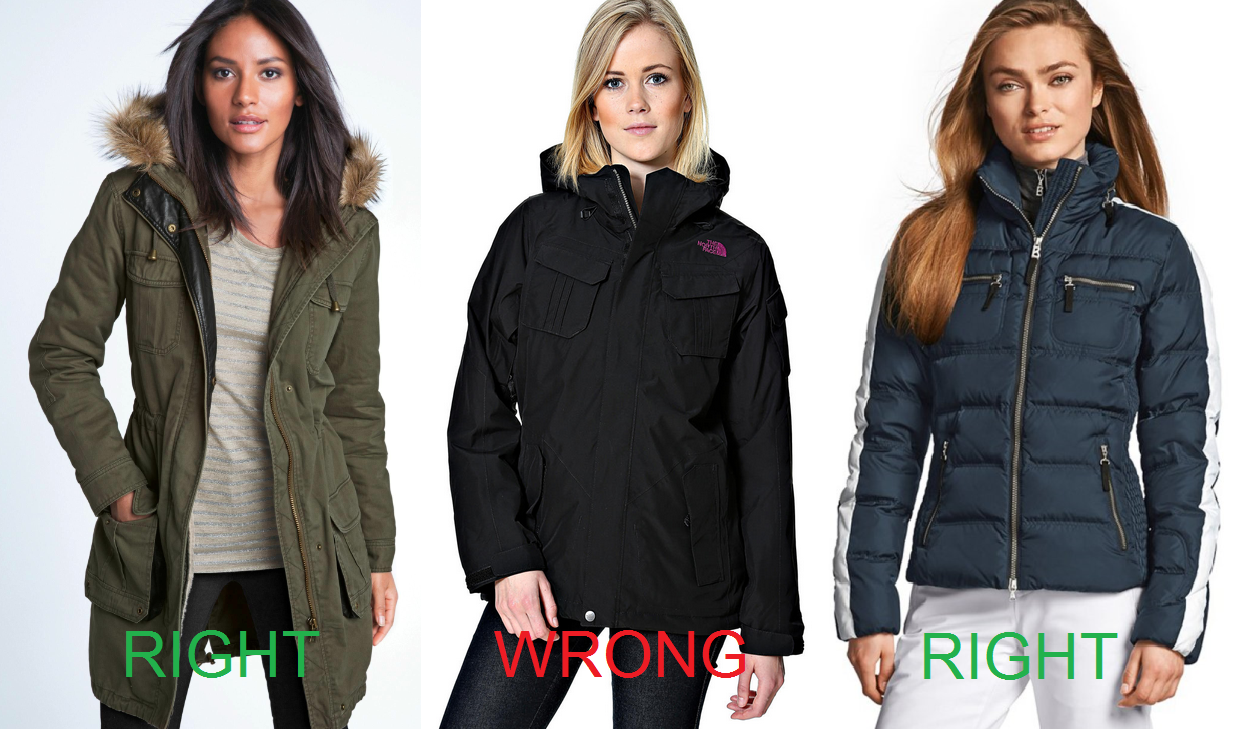
2. Fur-Trimmed Hooded Jackets. I've often told my guy friends how much I like these, and they always agree. The fur is extremely soft, warm and playful = feminine; and if you choose the color to properly complement your complexion, it can be extremely attractive visually as well. Popular fashion seems to have caught on to this in the last year or so, and more girls are wearing them. Because of this, you might not stand out as much by wearing one, but it also means that it is much easier to find them in stores. Besides, "looking like every other girl" is only problematic when every other girl looks bad. Here is an example:


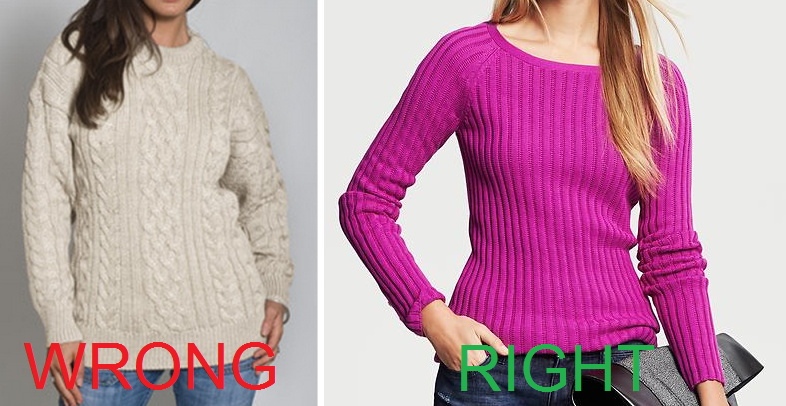
3. Tight Sweaters. A tight sweater embraces everything I said above about the importance of wearing well-fitted clothes. There is something both sexual and nurturing about a woman wearing a tight sweater. It is sexual for the obvious reason that it shows off her figure, but it is nurturing because it gives her an air of warmth and comfort. (Note: We left turtle-neck sweaters in the 90s for a reason: they are hideous on both sexes. Never wear one.)


4. Tall, Heeled Boots. Uggs are great if you want to look like a little girl; but if you want to attract guys over the age of 15, you will need to embrace a more mature look. Tall, heeled boots are sexy. They achieve all of the effects of attractive posture that you get from high heels, and their height draws attention to your thighs and waist. Heels are more important than height, but if heels aren't possible, tall boots without heels are still better than most other shoes - probably warmer too. All three of the examples below are great.


5. Leggings. Because they contain no vital organs, your limbs are the parts of your body least prone to the effects of cold weather; so most women are capable of going outdoors in leggings, even in the middle of winter. This is good, because they are sexy as hell. They make every woman's legs and ass look 10 - 20 % better than normal, and because they are so popular and reveal no skin, no one thinks they look slutty. Yes, they are hotter than a pair of tight jeans - probably because cotton can never conform to your body as well as synthetic, stretchy materials. And no, you don't need to be thin for them to make you look better. Black is obviously the most versatile color, but designs and patterns can work too, as long as they aren't overly obnoxious (e.g. cartoon characters or logos). Wear two or three pairs if it's too cold.

If any of these looks seem like they "aren't you" it is probably only because you haven't tried them yet.


Related Posts
1. The Most Important Time to Dress Well
2. Appearance Checklists
3. How to Make Any Outfit Better
4. Don't Wear Sneakers
5. Sexy Versus Cute

Monday, February 4, 2013

The Importance of Taking Fashion Risks

In response to our instinct for self-preservation, we, as humans, cling to what is safe. Even when we recognize the benefits that can be afforded by a departure from our normal course of action, we find ourselves bound to what is familiar. In restaurants we only order foods we grew up eating so that we don't have an unpleasant meal or have indigestion - even though we might be missing out on the most incredible, exotic foods. We practice the accepted politics in our state because it feels good to agree with everyone, even if our mind and experiences tell us that the truth is otherwise. We stay on the marked trails when we hike up a mountain so that we don't tread on loose rocks and sprain our ankles, even though there is a stunning view to be found just behind the rock outcropping in the distance.

To a certain extent, this inclination is a good thing. By following established paths in life we avoid making serious mistakes, and circumvent discomfort or personal harm. However, the instinct is an excessive one; it affects us more than we actually need in order to stay safe. The instinct for self-preservation essentially tells us to avoid doing anything dramatic, because it recognizes that dramatic action can lead to personal endangerment - whether it be physical, financial, social, moral, intellectual or otherwise. But dramatic action is also necessary for greatness, it is a prerequisite for unique success. Unless we stray from the normal path, we wallow in mediocrity.

So the instinct for avoiding dramatic action, although it is self-preserving, also happens to be self-limiting. Although I might have job security at my family business running the local shoe store, I won't be able to pursue the chance of becoming a world-renowned architect unless I break away from what is safe. A woman might know for a fact that her current, mediocre boyfriend will marry her and provide for her if she stays with him, but only by taking a risk and breaking up with him does she enable herself to meet someone she feels a real connection with. Even though a man might face embarrassment and rejection by approaching a beautiful woman, he won't ever meet someone so attractive if he doesn't risk being turned down.

We've all read or heard the famous quotes about the importance of risk-taking, and we all understand that it is important factor in personal success. But we normally limit our consideration of this phenomenon to ostensibly "big" things, like moving to a new country, taking on a huge and uncertain project, or speaking in front of hundreds of people. It isn't the kind of thing you usually think of in relation to something as simple as fashion or style, but it applies just as much - if not more so, in the sense that your personal style is something that you have to make decisions about on a daily basis, and constantly communicates all kinds of things about yourself to others.

Over the holidays, my little brother asked me if he could borrow a pair of pants to wear out, since his were all in the laundry. I suggested he could wear a pair of gray chinos I'd just bought, since they worked well with the shirt he wanted to wear.

He balked.

"Gray chinos?" he asked. "That's weird, I've never worn something like that before..."

I knew exactly what was going through his head. I'd been there a hundred times before, especially five or six years ago when I first decided to learn how to dress better. I knew how to convince him, but I also knew I needed to start with the facts, with the practical reasoning.

"I know you haven't," I told him, "but they'd fit you perfectly and they will go well with the other stuff you're wearing. See? The gray is warm, just like the colors in your shirt, and you can wear these shoes with them too; it'd look sharp."

It really was a perfect look for him. Granted, it was a departure from the jeans and t-shirt he normally wore at college parties. It was a little more formal and more mature looking, but I knew it would look great on him. Unsurprisingly, he was still hesitant, so I cut to the heart of the matter:

"Trust me on this one. You are going to feel weird as shit for the first couple hours, but eventually that will wear off. An hour after we get to the bar, you won't even remember that you are wearing them. Then tomorrow you'll see photos on Facebook from the night, and you'll realize that they actually looked damn good on you. Next time you won't think twice about throwing them on - in fact you'll probably look forward to it. You just need to soak in the initial awkwardness until it passes. Until then, you can't judge the way they look on you objectively. In the meantime, take my word for it. I know you respect my dress sense."

I must have been convincing because he took my advice. He looked awesome, as was evidenced by the fact that he got hit on twice that night by older women (this is a lot for a guy, by the way).

Everyone with an once of pride knows the feeling that went through my brother's head. The social risk of wearing something outside your comfort zone can be intimidating. You feel like everyone is noticing your clothes or shoes or hair, but you are uncertain of what they think. You just don't feel "at home" in your own clothes. It's awkward as hell. It's the feeling that kept an old coworker of mine from buying a new pair of jeans, even though the ones he constantly wore were several years old and threadbare. It is the same feeling that kept me wearing sneakers in all casual and even semi-formal circumstances, long past an age at which it was appropriate. It is the feeling that you might experience when trying to change your look from cute to sexy, or when you consider wearing heels in everyday circumstances, or adding lace to your outfits, or dressing up for casual activities.

However it is manifested, what you are feeling in these situations is the inclination towards social self-preservation, towards the avoidance of social catastrophe. The instinct prevents you from fashion faux-pas and wardrobe-related embarrassments, but it also prevents you from learning how to dress and from looking your best. Next time you try to make an improvement to the way you look, make an effort to soak in the awkwardness of what you are attempting before ruling it out.


Related Posts
1. Sexy Versus Cute
2. One Way to Improve Your Look
3. How to Avoid Looking "Fake"
4. "Because Of" Versus "In Spite Of"

Sunday, December 30, 2012

The Most Important Time to Dress Well

In the United States, the most flagrant misconception about dressing well is that it is something you should do only for formal occasions. The popular notion is that you should put in effort when you go out on Friday night, or when you go to a wedding, or when you have a meeting with clients - but not when you run to the store, or get on an airplane, or go to a dive bar.

The fact, however, is that the woman (or man, for that matter) who dresses well is the one that shows up looking good when everyone else is not. A well-dressed woman puts a priority on looking good, regardless of the situation. This doesn't mean that she never dresses comfortably, but it does means that she does so less frequently. More importantly, even when she does dress comfortably, she maintains a sense of style and considers her appearance above her preference to "just throw something on." The most important time to dress well is whenever you are inclined to put in the least amount of effort. It is in these occasions that you stand out from the crowd. So, I challenge you:

For the next three days, whenever you choose your clothes for any occasion, step up the quality and formality of your appearance by one degree relative to what you would normally wear.

If you were going to wear a t-shirt to the grocery store, choose a blouse instead. If you wouldn't normally wear your formal jacket for a trip to the mall, do it this time. If your heels are usually reserved for Friday and Saturday nights, wear them to work. If you don't usually do your hair when you go to a sports bar, put in at least twenty minutes to make it look its best before leaving the house. If you normally wear old and ugly workout clothes when you go to the gym because "it's just working out", get some new ones that work with your complexion.

If you need to, set an extra alarm on your phone for the next three days as a reminder. I've done this myself and I guarantee that you will be surprised by how much better you feel - not to mention look - as you go about your normal activities.


Related Posts

Monday, November 19, 2012

How to Make Any Outfit Better

Any outfit can be improved by adding lace. Lace makes an outfit look ornate, eye-catching and more feminine. I have yet to meet a man who doesn't find it more attractive. Next time you buy something new, consider getting it with a lace fringe or overlay - or wearing one with it. I think you will be surprised by how much more attention you get because of it. If lace isn't possible, flowered patters are a close second.


(And no she isn't hotter on the left only because she is wearing hoop earrings - though she looks good in both pictures partially due to her heels and hair.)

Here is another example:


I realize there are probably instances when lace is inappropriate or excessive, but the point here is that you are probably not wearing enough of it, especially if you live in a sexually de-polarized country like the United States.

Saturday, September 1, 2012

Don't Wear Sneakers

I keep seeing girls wearing Chuck Taylors, or Vans, or even some more modern high-tops, and I always cringe. Sneakers are intended for function, not form; they aren't attractive. Unless they are paired with athletic clothes (i.e. for the gym or running) they look clunky or awkward. The fact that they are "comfortable" or "quirky" or "classics" might be perfectly true, in some cases might be a good reason for wearing them; but don't fool yourself into thinking they make you look good. While it would obviously be unrealistic and probably unhealthy for women to wear high heels every day, there are many more elegant compromises than sneakers.

If you see a woman who you think is more attractive because she is wearing sneakers, ask yourself whether it is because of them or in spite of them. You'd be better off never wearing sneakers than trying to pull them off.

Thursday, August 16, 2012

How to Get "The Right Kind of Attention"

My model for understanding the way a woman acts and dresses has always been something like this: the more a woman dresses like a slut, the more attractive she is; but the more a woman acts like a slut, the less attractive she is. In other words, the most attractive women are those who dress like whores but act like good girls. Impossible, right? Probably. But it is the ideal nonetheless, just like a woman's ideal is a man who is extremely powerful and physically attractive, yet in touch with his emotions and sweet - which also does not exist.

In any case, I was out the other night and I ran into a girl I'd met a few weeks before at the same bar. We started talking, and somehow got onto the topic of how women dress...

"It's simple for a girl" she said. "If you want to pick up a guy to get laid, or to make out, you wear a short, tight skirt and low-cut cleavage. But if you want to meet a guy to date, you..."

"...wear something modest." I interrupted, somewhat smugly. "That's what every girl thinks and it's complete bullshit." I was about to explain to her that good guys and bad guys alike are both equally attracted to a woman's body, and that behaving modestly is far more important than dressing modestly, when she cut me off:

"Wait, I wasn't finished! That wasn't what I was going to say at all. I was going to say that you have to choose one or the other."

"One or the other?" I asked. "What do you mean?"

"I mean you either wear the short, tight skirt, or the plunging neckline - but not both."

I was silent. I literally paused for several seconds, thinking about what she said. I was still somewhat shocked by the fact that she didn't buy into the absurdly false cliche that a woman attracts good men by pretending that good men don't have sexual impulses; but I was also intrigued by the nuance of her idea. It was honest, and it bore the hallmark complexity of truth.

"Huh... That's really interesting." I said, pensively. "I actually spend entirely too much time thinking about these kinds of things, and haven't thought of that before. You might be on to something." I paused again for a few seconds. "I need to think about it more, but I like the idea regardless. I've always thought that women are more attractive the sluttier they dress and the more modestly they act, but I might have to re-consider that now."

The jury is still out. The girl won't return my calls either...


Related Posts
1. Sexy Versus Cute
2. "The Wrong Kind of Attention"
3. The Most Important Time to Dress Well
4. There Is Nothing Modest About Loose Jeans

Tuesday, May 15, 2012

How To Avoid Looking "Fake"

In the post You Can Control How Attractive You Are, I reiterated the point that most unattractive women aren’t genetically unlucky, they just aren’t trying hard enough. Recently, a reader brought up a good question in the comments section of that post: how far can a girl go to fix up herself before she is considered "fake"?

The question is a good one because at first glance, looking fake seems to be what happens when a girl tries too hard. We’ve all seen girls with caked-on makeup, boob jobs, spray tans and shitty hair extensions; and we’re all familiar with the male consensus about them – they look terrible. In fact, you probably don’t even need men to tell you this. So how do you avoid it? How do you strike a balance between “not enough” and the “fake” extreme?

The problem with this question is that it is based on a misunderstanding. It wrongly puts “ugly” on both ends of the effort scale, because it presumes that the girls with boob jobs, thick make-up and cheap hair extensions are putting in a lot of effort. This is decidedly not the case. These girls haven’t put in more effort than the average girl. Layering on make-up, or sitting in a tanning booth longer than necessary – while it does take more time – is rooted more in confusion than concerted effort.

These women are like a chef who is obsessed with a single spice – salt, or garlic, or thyme, or whatever. True, these spices all have their proper place, and can make a meal outstanding when placed on the right dish in the appropriate quantity. But in excess they destroy all dishes. A woman who layers makeup is like a chef who dumps inordinate amounts of garlic in everything he cooks. Neither the make-up girl nor the garlic-chef understands the concept of moderation or balance. The girl ends up looking “fake” and the chef has every other plate returned by unsatisfied customers. Although there is a certain amount of added effort involved in the additional mirror-time, or the extra crushing and dicing of garlic cloves, you don’t need me to tell you that both the make-up-obsessed girl and the garlic-obsessed chef are poor role models.

Sarah Harding

The mistake is a preference for quantity rather than quality. Too much effort does not result in a “fake” appearance, uneducated effort does. The chef who understands balance and complimentary tastes has invested orders of magnitude more effort and time in reaching that expertise than the one who simply saturates everything with salt. And the girl who realizes that her natural complexion only works with certain make-up tones, or knows how to suit her hairstyle and cut of clothes to her face and body shape has likewise invested miles more time and energy in her look than the girl who just cakes on extra make-up, or resorts to a boob job to enhance her chest. If you think that “more effort” means “more make-up” or “more tan,” you are spending your smarts in the wrong place – or rather, you aren’t spending them at all.

Nicola Roberts
If you really want to improve your look, you need to become your own stylist. You need to learn how to make your hair shine, and how to add volume in the right places. You need to study your body shape and try different outfits until you know precisely what cut makes your features pop - or subdues them, if necessary. You need to read books on color, and try every shade until you know which ones are your best. You need to learn everything you can about fitness and dieting so that your time in the gym is efficient and your meals compliment your workouts. You need to push your comfort boundaries with different styles, perhaps looking awkward occasionally just to rule out the possibility that your aversion to a certain style is really based in its inappropriateness for you – and not some childhood prejudice. You need to fix your posture and get serious about sleeping right. You need to watch how much you drink and learn how to care for your skin.

I am not suggesting that every girl should obsess over her appearance, but you see what I mean. This is real effort – not the “extra garlic” approach, which results in the fake look we are all so familiar with. Be smart about your efforts and, generally speaking, the more effort you put in, the more you will improve your look, not compromise it.

Saturday, April 7, 2012

Be Careful About Wearing Large-Shouldered Tops

Tops, dresses or jackets that make your shoulders look larger do two things: they diminish your waist and broaden your shoulders. You should always be cautious about wearing them because broad shoulders are unattractive on a woman. It is true that a small waist is attractive; but in the same way that wearing short hair to compliment your face shape is offset by the side-effect of making you look masculine, attempting to make your waist look thin by wearing tops with wider shoulders does more harm than good when it comes to attracting men.

Large-shouldered tops were popular in the United States in the 1980s because by that time the effects of feminism had trickled into professional environments, and women wanted clothes (specifically, suits) that made them look more commanding, more assertive - more traditionally masculine. Towards that end, I am sure they were successful; but I am equally sure that they did and still do make women much less attractive. And now, partially out of nostalgia for the fashions of a former generation, and partially due to social inertia, contemporary style calls tops with "puffy" or accentuated shoulders acceptable, "fun" or even attractive. Don't be sucked into the lie. The truth is that they are always risky, usually ugly and almost never a good idea.

If you think any of the women on the left look attractive, read the post titled "Because Of" vs. "In Spite Of". (All three are in good shape and their clothes fit well in all places but the shoulders.)

Clothes that slightly accentuate the shoulders might be mildly attractive on a girl that does not have a small waist-to-hip ratio; but in general, large shoulders make you look like a man and should be avoided.

Remember: whether consciously or subconsciously, men notice.

Wednesday, November 16, 2011

Your Skin Color Matters

If you want to make yourself more attractive, you need to focus on three things when you are choosing your clothes: style, fit, and color. The need for a suitable style is obvious to most people - your clothes should reflect or magnify your personality. Simple enough. The need for the right fit should be obvious, but it is apparently less so to many women (and men). Too many people don't wear clothes that flatter their figure. However, color is the most misunderstood and neglected of the three, and it is arguably the most important.

In the same way that your clothes need to work with your shape and personality, they also need to compliment your color, or more specifically, your complexion, which is the combined appearance of your skin tone, eye color and hair color. Have you ever noticed how Latin and Mediterranean women almost always look amazing in red and black? or how middle eastern women look far better in the deeper shades of most colors (navies, olives, maroons, etc. as opposed to blues, greens and reds)? If so, you've noticed the effect of color working well with complexion. This effect has been studied, broken down, and rebuilt into a science for more than 100 years by students of fashion and cosmetology.

Here are a couple examples. Note how Courtney Cox and Katherine Heigl look better on the left, where they are shown wearing colors that work well with their complexion. The effect is subtle but it is strong.


If until now you've chosen colors based on something you saw a friend wear, or colors you "just like," there is a good chance you look bad in them. Men notice this, even if only subconsciously. If you haven't taken the time to learn what colors make you look best, you are throwing away potential attractiveness, and therefore undercutting your chances with men. I've observed in many instances that a woman is far more radiant and attractive due to her choice of a color that magnifies her natural beauty. The effect is significant.

I won't tell you how to choose your best colors, because there are other resources that can tell you far more than I. My main goal is to simply to convince you that color matters. But I can point you in the direction of a couple of those resources...

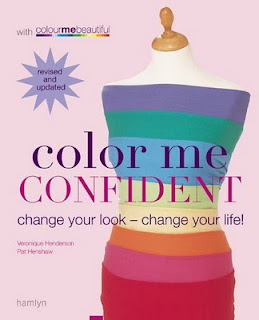
The best book I've found for women about color is called Color Me Confident. I bought a few different ones for men and women, and this one blew the others away (as did its counterpart for men). I like it because it uses modern celebrities as examples, does a good job of explaining the categories it uses to group complexions, and also has sections about the fit of clothes and makeup as well.

This book could reliably be your only resource. However, I have one other suggestion. Find a female celebrity that has your complexion (including eye color, which makes a lot more difference than you'd think) and spend some time looking at images of her on the internet, paying close attention to the colors she wears. Try the following: do an image search for her name and a color, and scan the results. Pay attention to how many instances there are of her in that color. Just as importantly, pay attention to what doesn't come up when you do these searches - i.e. the colors for which you cannot find many instances. Take Penelope Cruz for example. Click on each of the following image search links and notice how the results show whether or not the respective color (and what shade) works for her, based on the collection of images that appear in the search results:

Penelope Cruz Red 
Tons of instances of her wearing red, and she looks smoking hot in it (Latin women...)
Penelope Cruz Blue
Plenty of instances of her wearing blue, but notice how in most it is navy rather than a lighter shade
Penelope Cruz Orange
Basically just one orange dress, and notice how it is a burnt orange rather than bright

There are also a ton of websites out there that either describe how to choose colors that work for you, or else offer online (or in-person) consultations. There are some good videos on YouTube as well. While searching for some of the pictures above I bumped into a few good blogs, which have a lot of examples of color done well, as well as explanations of the theory. Take a look:
http://seasonalcoloranalysis.blogspot.com/
http://12blueprints.com/
http://www.prettyyourworld.com/

While it should only take an hour or so to learn the principles and figure out what are your best colors, it can take much longer to implement them in your wardrobe. It won't be easy to overcome some of your misconceptions. Someone may have told you once that pink was your color (for example), and you've worn it ever since, convinced by the confidence of their compliment that it made you look good. But their statement may very well have been wrong, in part or completely - even if you thought they knew what they were talking about when it came to fashion. Maybe they just wanted to make you feel good. Treat every color (or color combination) as suspect until you know it really does work on you. Be prepared to throw some of your clothes away.

I know these things because I paid no attention to my own color for years, and my appearance suffered because of it. Sometimes I would put on a shirt and recognize that it looked good on me, but I would never know why. Frankly, I never really wondered - I was just content that it did look good. And when I finally learned about the need to address my complexion and learn what looked best on me, I started to realize why those shirts had looked good. In fact, my memory of those instances eventually served as examples in figuring out which complexion I had and what would work well with it.

So if you aren't up to speed on your color, go buy the book, do some research online, and hit the mall. Men notice, and it will make a difference.

Sunday, October 30, 2011

You Can Control How Attractive You Are

I already have a fairly lengthy post making this point, but I am not convinced I made it strongly enough. I want to present it again in another medium, namely, photos.

Example one:


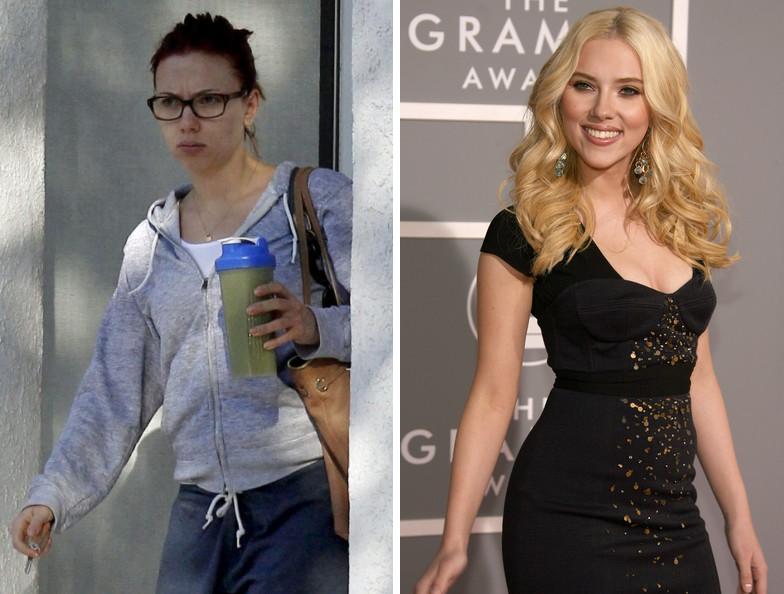
Notice the difference between Scarlett Johansson's attractiveness in the two photos above. The contrast is impressive. On the left, where she is dressed the way many American college girls dress for their morning classes, I'd say she is about 5, and I am probably padding that number just because I know she is a celebrity and can look the way she does on the right, where she is close to a 10. The only uncontrollable element of Scarlett Johansson's attractiveness between the two photos is the lighting, which counts for very little. Same girl, different level of attention paid to her appearance, dramatically different result.

It is true, of course, that Scarlett Johansson has professionals working with her to help her look this good. However, I could not disagree more that cosmetologists make a difference in excess of what any girl can do for herself, assuming she is willing to invest the time and effort to learn how. And I don't think the amount of time or effort required is as large as you might think. Cosmetologists are professionals only because they know how to make any woman attractive. They know the principles and are experts at applying them quickly for a variety of people. But you only need to become an expert on one person - yourself - and this is significantly easier.

Here is another example, less extreme but still telling:


On the left, Jenna Fischer is about a 5, maybe a 5.5. On the right, she is a 7.5. The difference is in her hair, posture, makeup and the color of her clothes. If she wore better clothes still I think she could get up to an 8.5, but she rarely does, judging from the photos I could find online.

Another example:


On the left, Carrie Underwood is a solid 7. On the right, she is a 9.5. In this case, the discrepancy has a lot to do with wearing her best colors getting the right amount of contrast, her hair, eyebrow shape and the hoop earrings. I'd argue that Carrie Underwood has maximized her attractiveness in the right photo. Nakedness, heels and lingerie might bump it up a notch, but otherwise she is playing all the right cards.

Here is a a non-celebrity example:


I don't know who the girl is, but on the left, she is about a 3. On the right, I'd say she is a 5. In this case, most of the change comes from hair length (yes, she is probably wearing extensions, but eventually she could grow it), plucked eyebrows, better clothes and a little makeup. By losing weight, spending more time on her hair and choosing her clothes even more carefully, she has potential to be a 7 maybe even an 8. You wouldn't believe this by looking at the photo on the left, but it is much more obvious once the improvements have been started.

Here is Kate Gosselin:


Left: 2; center: 4; right: 7.5. That is an overall increase of 5.5 points, largely accounted for by hair length, clothes and most importantly, weight loss (apparently a tummy tuck too, but she did have sextuplets... I call it fair). I don't know if she could look much better, but she'd done a damn good job leveraging what she has to work with.

If you want to see more examples, try using the term "makeover before and after" in an image search, or search for pictures of celebrities without makeup. You might argue that all of the women above have pretty faces, so they all have some initial potential to be attractive. There is some truth to this, namely, that they have the potential to be more attractive; but it does not mean that a girl with an asymmetric face, enormous nose or irreparably crooked teeth is doomed to be ugly. I've seen pretty girls that match all of those descriptions. True, a girl like this probably can't become as attractive as Carrie Underwood, or maybe even Kate Gosselin. However, the ability to improve her look is still there; she will just have to focus on the other aspects of feminine beauty to make that improvement, and there are many to choose from. The main reason I didn't put up photos to demonstrate this is that I couldn't find any. Most of the "before-and-after" photos on the internet are of famous people, and most famous people have attractive faces. But consider Lady Gaga or Paris Hilton: neither of them have pretty faces, but both of them (can) look attractive. Also, consider this woman:


Although she actually has a decent facial structure, a lot of people would say that she has an ugly face if they only saw the left photo. But on the right, when the same face is presented well, it is clear that the problem is not facial structure, but rather, presentation. So be careful about assuming you have a bad face. Most likely you do not, and even even if you do, there is still a lot you can do to improve your look.

Anyway, the ultimate point, again, is that no one has to be ugly. By making an effort, you can drastically improve your appearance and attractiveness, and in many instances, girls can transition from "ugly" to attractive. And while you may think you have optimized your own look, it is unlikely that you have. Think carefully about your weight, the color and cut of your clothes, your hair style, grooming, makeup, posture, etc. All of these things can make a huge difference, and can be leveraged to increase you attractiveness.

Monday, October 10, 2011

The Importance of Heels

Heels are the single most powerful item in a woman's wardrobe for improving her attractiveness to men. I routinely recognize this when I go to nightclubs, where almost all of the girls are wearing them. I also notice it at work, where some of the women occasionally wear them, and I find myself suddenly taking a second look (normally I wouldn't look once, as they have about 20 years on me and need to work out). While having a general knowledge of clothing fit and color (for example) matters more, it is not a single item than can be put on or removed with the same simplicity of heels. Heels require no instructions. Most women understand the effectiveness of heels to a degree, but too few realize why and how well they work, and therefore have trouble using them to their full potential.

Some women believe that heels are effective because they make a woman's calves look good, and although this isn't entirely wrong, it falls short of the truth. The majority of women think heels are attractive because they make a women taller. But men are not attracted to women because they are tall. This may make a girl look imposing or powerful, but any student of the most basic aspects of sociology knows that men are not attracted to power (women are attracted to power). Men are attracted to sexual pleasure and fertility, so it should not be surprising that the potency of heels lies in their ability to make a woman look sexual, even if only mildy so.

When a woman wears heels, it points her toes down in a more graceful manner, makes her butt stick out, and pushes out her chest. Most importantly, it arches her back, which emphasizes her feminine curves, and is an unequivocal sign of intense sexual pleasure. Look through the ads in magazines like Cosmopolitan or Maxim if you are skeptical. In many of them (and all of them intending to display sexuality), the women are posed in such a way that they resemble at least one of the postures I've described. All of these are strongly attractive to a man, but they are also very subtle, which makes them all the more effective. Most men have no idea why a women looks better to them in heels; they just feel it in their gut. Ask them. You'll probably get a shrug and something like "because they make you taller?"

For the taller women out there, yes, you are at a slight disadvantage. Despite how much heels improve your posture, I recommend you not wear them very often if they make you more than one inch taller than most of the men you want to attract. Find your other strengths and do what you can to highlight them (for example, height probably means you have long legs, so work them out a lot and make sure you are showing them off).

For all of the other women out there, and especially those of you who are short or the perfect female height, wear them frequently, and be liberal about deciding when they are appropriate. Just like a man that comes dressed well to a casual event, a woman stands out when she wears heels at a dive bar or in the grocery store.

Sunday, October 9, 2011

One Way To Improve Your Look

I am working on a couple posts about female appearance, and while doing some online research for them I came across this website:

http://lookbook.nu/


In the creators' own words, Lookbook is "a utility that allows members to document their evolving style & a collective gallery from which 'lookbookers' and non-members can draw daily fashion inspiration." Basically, it is a website where anyone interested in fashion and dressing well can create a profile and post photos of themselves in various outfits. The viewers can rank the images, or "looks," and there are lists of the highest ranked pictures, and in some cases, information about the clothes that are worn in the photos.

The feature of the site that I found most interesting, however, is one that I think could be infinitely useful to any girl trying to define or improve her personal look: the site suggests other users with a look similar to the one you are currently viewing, so that if you find a girl with a style you like, you can follow the suggestions to see more examples of the one that peaked your interest. By viewing many variants of your favorite look, you can more easily identify the elements that create it, and then duplicate them yourself. Whereas without this site you would only get to see instances of a given look rarely and by chance, now you can seek out many of them in a single location.

The other good thing about this site is that it gives you the opportunity to compare the same person in different outfits, and see what works and what doesn't. The observant user can learn some important lessons about fit, color and style just from browsing the galleries.

A word of warning though: a healthy portion of the people that go to the trouble of posting on sites like this are more interested in dressing fashionably than they are concerned with looking good. (No, the two do not always overlap, because female fashion trends are controlled by women and gay men.) Because there is no filter on what gets uploaded, trusting this site blindly is like trusting Wikipedia blindly - it isn't recommended, and you should always get a second opinion. But also like Wikipedia, the open format brings in far more useful information than any closed format ever could, and that enables the site to exist. Anyway, you will see a lot of weird bullshit along with the good stuff. As you browse, just remember that classics become classics for a reason.

Wednesday, September 21, 2011

Feminine Beauty Is Highly Controllable

Advice abounds for women looking to score a guy, and some sources actually have solid suggestions. But while these sources tell women all kinds of strategies for being approachable or meeting new people, none of them address the most important matter: appearance. A number of the articles I've read have promising titles or sub-titles, but they qualify the initial admonition to "look good" with so many caveats and clarifications that by the end they've essentially told the reader to "be herself" - which is nothing more than a waste of her time.

The topic is avoided because women do not realize how controllable their appearance is. This is understandable, because if female beauty were not controllable, telling a woman she could attract more men if she would just improve her looks would be no more useful than suggesting a paraplegic man "just" learn how to dunk a basketball to impress women. On top of providing no worthwhile advice, it would serve as a painful reminder of her inadequacies. However, the notion that a woman's attractiveness is anything less than highly controllable is patently false.

Time and time again, I see the same thing: the women who aren't getting attention from men fall almost entirely into two categories:
  1. Women that are unfit
  2. Women that do not present themselves well
Hopefully you noticed something important about this list: it does not include women who have "ugly" faces, or even deformities. Obviously, natural good looks cannot be overlooked, but they are given far more credit than they deserve. It is the height of hyperbole - you might even say a myth - that women are either born attractive or not.

To drive this point home, I spent entirely too much time identifying the various components of feminine beauty and quantifying the importance of each one. The result of this effort is shown in the table below. (By clicking on the table or pie charts you can enlarge them.)


Notes about how I generated the numbers in the table can be found here.

  • The 'Importance' percentages simply indicate how much each aspect listed matters to a woman's overall appearance. They collectively add up to 100 %, so they can be literally interpreted as a percentage of overall beauty.
  • The 'Controllability' rankings indicate the amount of control a woman has over the various aspects of her appearance. 0 % represents completely uncontrollable aspects of beauty, while 100 % represents those that are completely controllable. Some items in the table are 0 % controllable to most people, but 100 % controllable to others (for example, breast size and facial structure are both alterable in extreme cases by plastic surgery). The controllability ratings for these items are a guess at the average between those extremes, based on the frequency of occurrence. Or, for example, even though a girl can't change her bone structure, 'height' is rated at a nominal 8 % because there is a small amount of controllability with the size of heels a girl chooses to wear.
  • The 'Attention Deserved' is an index that is calculated by multiplying the Importance by the Controllability, and dividing the product by the collective sum of these products. This can be reasonably interpreted as the percentage of the total time spent on her appearance a girl should devote to each item in need of attention. So a girl that is overweight would be justified in spending 72 % of her time (that is, the time that she invests in her appearance) only on losing weight; or a girl whose clothes don't usually complement her complexion would be smart to spend 8 % of the time she invests in her appearance on shopping for clothes that work well with her look (or on earning extra money for that specific purpose). Obviously, no one is going to count the minutes or hours. The point, though, is that some things are worth spending more time on than others. Don't waste your time worrying about your eyelashes (1 %) when you are overweight (42 %) - go to the gym.

I've also put the data into a few pie charts. This is what you should care about (Importance Rating):

Components of Feminine Beauty by Importance Rating

This is what you should spend your time on (Attention Deserved):

Components of Feminine Beauty by Attention Deserved

Now, even though I have gone to rigorous ends to elicit these ratings from the recesses of my mind, obviously they are still relative to my personal taste. That being said, while men will all disagree over the minutiae of female beauty, few will disagree with the important aspects. This post should give you a solid idea of what matters to most guys, and how much.

While the numbers speak for themselves, I want to highlight one main point: notice how controllable the most important aspects of female beauty are. To wit:

  • 18 % of feminine beauty is more than 100 % controllable. This means that if a girl is not opting to do these things, she is missing out on 1.8 points out of ten due to ignorance or a personal decision. Included in this 18 % are simple things like wearing heels and jewelry or removing excess body hair.
  • 63 % of feminine beauty is more than 80 % controllable. This is the driving point behind this "analysis," expressed numerically. If you take nothing else away from this post, remember this. It means that you are in control of your appearance far more than you think. It means that the time and effort you put into your appearance will produce results. Do not worry if your gut tells you otherwise; your gut is informed by beauty pageants and "100 Hottest Women" lists, and a thousand other influences that both reinforce and reflect the notion that beauty is a matter of winning the genetic gene pool - i.e. a matter of 'haves' vs. 'have-nots.' This notion is bullshit. That 63 % of beauty is at least 80 % controllable means that no girl needs to be less than a five on the ten scale (0.80 x 63 % = 5.0). If you present yourself well and get in great shape, you will be above average. And for those of you that are naturally about average, the sky's your limit.
  • Only 32 % of feminine beauty is less than 30 % controllable. In other words, there is very little about your appearance that cannot be improved.

One final pie chart to summarize these three points:


Far too many women fail to recognize the leverage they have over their own appearance. This leverage translates directly into control over the ability to attract men.

For photos of women improving their appearance, check out this post.